
The field of electrical engineering is in the midst of a remarkable transformation, influenced by several key drivers. Rapid technological advancements are expanding the possibilities. Consumers are increasingly drawn to sustainable solutions, and tighter government regulations are encouraging innovation. As we approach 2025, it’s important to explore the trends that are shaping the future of this ever-evolving industry.
For electrical engineers, the opportunities within innovation-driven industries are immense. Sectors like electric vehicles, smart grids, robotics, and consumer electronics are projected to see significant growth, with sales expected to rise by over 10% annually in the coming decade.
Today’s electrical engineering students must understand where the industry is headed. Exploring cutting-edge technologies helps students align their education and career paths with the shifting demands of the field. By staying informed, students can set themselves up for a successful career in this dynamic and exciting industry.
Continue reading to uncover the thrilling future of electrical engineering services, where groundbreaking innovations, limitless opportunities, and unique challenges are transforming the world around us
Technological Advancements Driving the Future
Several exciting technological advancements are shaping the future of electrical engineering services. Let’s dive into the most significant ones:
Renewable Energy
Electrical engineering has truly come of age in the renewable energy sector. From groundbreaking advancements in solar cell efficiency to the ingenious optimization of wind turbine blades, engineers are pushing the boundaries of what’s possible. The future of renewable energy is a testament to the incredible ingenuity and dedication of electrical engineers, who are paving the way for a cleaner, greener world.

Some successful Renewable Energy Projects include the Tohoku Electric Power Company‘s Solar Power Plant in Japan, the Hornsdale Wind Farm in South Australia, the Alta Wind Energy Center in California, and the Bhadla Solar Park in India.
Artificial Intelligence (AI)
Artificial intelligence (AI) is transforming the way we live and work, and it is also having a profound impact on electrical engineering. AI can be used to optimize energy consumption, improve the efficiency of electrical systems, and develop new applications such as self-driving cars and smart grids. Electrical engineers skilled in AI will be in high demand in the future.

Specific examples include Customer Service Chatbots, Fraud Detection in Finance, Demand Forecasting in Retail, and Predictive Maintenance in Manufacturing.
Internet of Things (IoT)
The Internet of Things (IoT) is connecting devices and systems, creating new opportunities for electrical engineers. IoT applications include smart homes, smart cities, and industrial automation. Electrical engineers skilled in IoT technologies will be in high demand to design, develop, and maintain IoT systems.

Other examples include Predictive maintenance, Remote monitoring and control, Supply chain optimization, Smart farming, IoT-based traffic monitoring systems, and IoT-enabled medical devices.
Electric Vehicles
The electric vehicle (EV) industry is experiencing rapid growth, driven by concerns about climate change and the desire for more sustainable transportation. Electrical engineers play a crucial role in developing EVs, designing and developing batteries, motors, and charging infrastructure. As the demand for EVs continues to increase, the demand for electrical engineers with expertise will also rise.
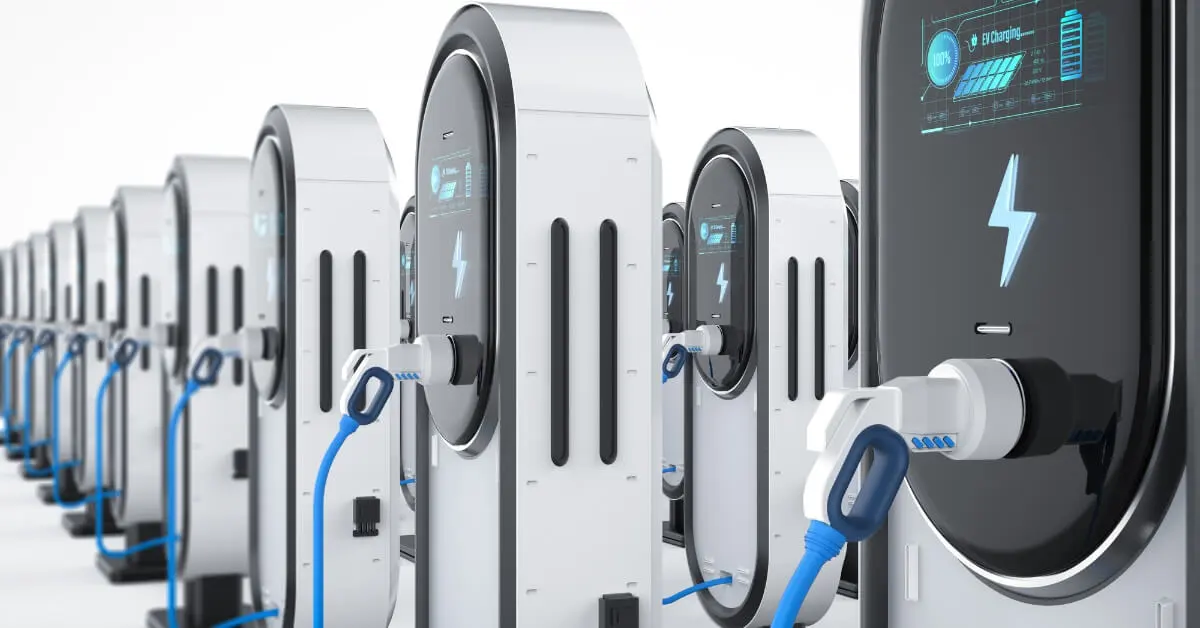
Global electric vehicle sales have been increasing steadily. According to the International Energy Agency (IEA), global EV sales reached 12 million in 2022. The IEA projects that EV sales will continue to grow, reaching 35 million units by 2030.
Cybersecurity
As our reliance on technology grows, the risk of cyberattacks also increases. Electrical engineers play a vital role in protecting critical infrastructure and ensuring the security of electrical systems. Cybersecurity experts with a background in electrical engineering will be in high demand to defend against cyber threats.

Electrical Engineering and Biology
The convergence of electrical engineering and biology is leading to the development of innovative medical devices and technologies. Electrical engineers are working on projects such as creating artificial organs, developing brain-computer interfaces, and designing wearable health monitoring devices.

Industry Growth, Opportunities
The global electrical engineering services market has been experiencing steady growth in recent years. According to Zion Market Research, the market size was valued at USD 274.12 billion in 2022 and is projected to reach USD 354.79 billion by 2030.
The electrical engineering services market is experiencing significant growth, driven by factors such as:
- Urbanization: Rapid urbanization in developing countries is increasing the demand for infrastructure, including power generation, transmission, and distribution systems.
- Industrialization: The expansion of industrial sectors, particularly manufacturing and manufacturing, requires advanced electrical engineering solutions for automation, efficiency, and safety.
- Technological advancements: The adoption of new technologies, such as those mentioned above, is creating new opportunities for electrical engineering services.
What Do Electrical Engineers Do?
Electrical engineers work on a wide range of projects, from designing and developing new electrical systems to maintaining and repairing existing ones. Some common tasks performed by electrical engineers include:
- Designing and developing electrical circuits, components, and devices
- Installing, maintaining, and repairing electrical equipment
- Troubleshooting electrical problems
- Conducting research and development on new electrical technologies
- Managing electrical engineering projects
To succeed as an electrical engineer, you’ll need a solid foundation in electrical engineering principles and proficiency in high-demand skills like programming, CAD, and data analysis. Adaptability and problem-solving are essential to navigate this rapidly advancing field.
Ethical Considerations and Societal Impact
Electrical engineering has played a crucial role in shaping modern society, but it is essential to consider the ethical implications and societal impacts associated with its advancements.
Privacy Concerns
- Data collection and usage: Electrical engineering technologies, such as IoT devices and smart grids, collect and process large amounts of data. This raises concerns about data privacy and the potential for misuse of personal information.
- Surveillance: The widespread deployment of surveillance cameras and other monitoring technologies can raise concerns about privacy and civil liberties.
- Ethical frameworks: Electrical engineers must develop ethical frameworks and guidelines for data collection, storage, and usage to protect user privacy and ensure responsible data management.
Job Displacement
- Automation and robotics: The increasing use of automation and robotics in various industries can lead to job displacement. Electrical engineers play a key role in developing and implementing these technologies, and it is important to consider the potential social and economic consequences.
- Reskilling and upskilling: To mitigate the impact of job displacement, electrical engineers can focus on developing new skills and competencies that are in demand in the evolving job market. This can include areas such as data analytics, artificial intelligence, and cybersecurity.
Societal Impact
- Improved quality of life: Electrical engineering advancements have significantly improved the quality of life for people around the world. This includes advancements in healthcare, transportation, communication, and education.
- Economic development: Electrical engineering services are essential for economic growth and development, particularly in developing countries.
- Social equity: Electrical engineering can help bridge the digital divide and promote social equity by providing access to essential services and technologies.
Global Trends
The electrical engineering services market is global, with varying levels of development and competition in different regions:
- North America: The North American market is mature and highly competitive, with a strong focus on innovation and technological advancements. Key players include Schneider Electric, ABB, and Eaton.
- Europe: The European market is also well-developed, with a focus on sustainability and energy efficiency. Leading players in Europe include Siemens, Legrand, and Prysmian.
- Asia-Pacific: This region is experiencing rapid growth, driven by urbanization, industrialization, and infrastructure development. China and India are major markets with a large number of domestic and international players.
- Latin America: The Latin American market is growing, with opportunities in infrastructure development and renewable energy projects. Brazil and Mexico are key markets in this region.
- Middle East and Africa: This region is developing, with increasing demand for electrical engineering services to support infrastructure development and industrialization.
Challenges faced by Electrical Engineering
Electrical engineering professionals in different parts of the world face unique challenges. Some of these are:
- Competition: While developed economies offer a stable market and advanced infrastructure, competition is intense, and regulatory compliance can be complex.
- Developing economies: Developing economies present significant growth opportunities, but they may also face challenges such as infrastructure development, talent shortages, and political instability.
- Emerging Technologies: The rapid pace of technological advancements, such as renewable energy, IoT, and AI, presents both opportunities and challenges for electrical engineering professionals. Adaptability and continuous learning are essential to stay competitive.
- Talent Shortages: In many regions, there is a shortage of skilled electrical engineers, which can limit the industry’s growth potential.
- Regulatory and Policy Changes: Changes in government policies, regulations, and trade agreements can impact the electrical engineering services market, creating both opportunities and challenges.
Electrical Engineering Salaries
The salary for electrical engineers can vary depending on factors such as experience, location, specialization, and company size. However, in general, electrical engineers enjoy competitive salaries and excellent job prospects. According to recent data, the average salary for electrical engineers in the United States is around $98,000 annually.
In Pakistan, the average salary for electrical engineers is around PKR 1,200,000 per year. As industries continue to evolve, demand for skilled engineers will remain high, offering exciting career opportunities across multiple sectors, including energy, telecommunications, healthcare, and transportation.
Electrical Engineering Jobs
There is a strong demand for electrical engineers across various industries, including:
- Energy: Power generation, transmission, and distribution
- Manufacturing: Automation, robotics, and control systems
- Telecommunications: Network design, installation, and maintenance
- Healthcare: Medical devices and equipment
- Transportation: Electric vehicles and transportation infrastructure
- Technology: Electronics, semiconductors, and computer systems
Future Outlook
The future of electrical engineering services is bright, with continued growth driven by technological advancements, increasing demand, and global economic development. However, to navigate the challenges and capitalize on the opportunities, professionals and businesses must stay updated with industry trends, invest in skills development, and address ethical considerations.
NTI Engineering Pakistan: Your Trusted Partner in Electrical Engineering Solutions
With NTI Engineering’s forward-thinking solutions, you can be confident that your projects meet today’s standards and are future-proofed for tomorrow’s challenges. Whether you’re venturing into renewable energy, IoT, or cybersecurity, our team has the expertise to bring your vision to life.
Contact NTI Engineering today to discuss how we can help with your electrical engineering needs and propel your projects into the future.